
Nigeria’s global music identity has been shaped, almost exclusively, by Afrobeats. When people outside the continent think “Nigerian sound,” stars such Wizkid, Davido, Burna Boy, or Rema usually come to mind. This imagination, however, is ever widening. Beneath that dominant sound, an underground rap culture has been forming and gaining significant traction.
In many ways, this underground rap scene mirrors Hip Hop in its infancy in the United States. Before rap became commercialized, it was uniquely localized. Rap lived through block parties and dubbed cassette tapes exchanged hand in hand. As the genre grew, rap moved through neighborhood mixtape culture to independent labels before eventually being absorbed and commodified by major industries. As a result, gatekeeping systems were established. Rap was only heard when radio programmers or A&R’s at major record labels decided who could be heard. By the 2000’s, breaking through into the mainstream required co-signs and institutional backing that most artists did not have access to.
However, the internet cracked these gates wide open.
SoundCloud, in particular, shifted the power dynamic. Artists were now able to upload their music directly. The SoundCloud era of rap was defined by an organic, DIY aesthetic. The sound became more distorted and “messy,” with much more emotional content. It was in this “mess” where authenticity was felt most. Artists were able to build their audiences organically, allowing their rough mixes live as finished products and their voices to be heard in spaces where they would have previously been overlooked.
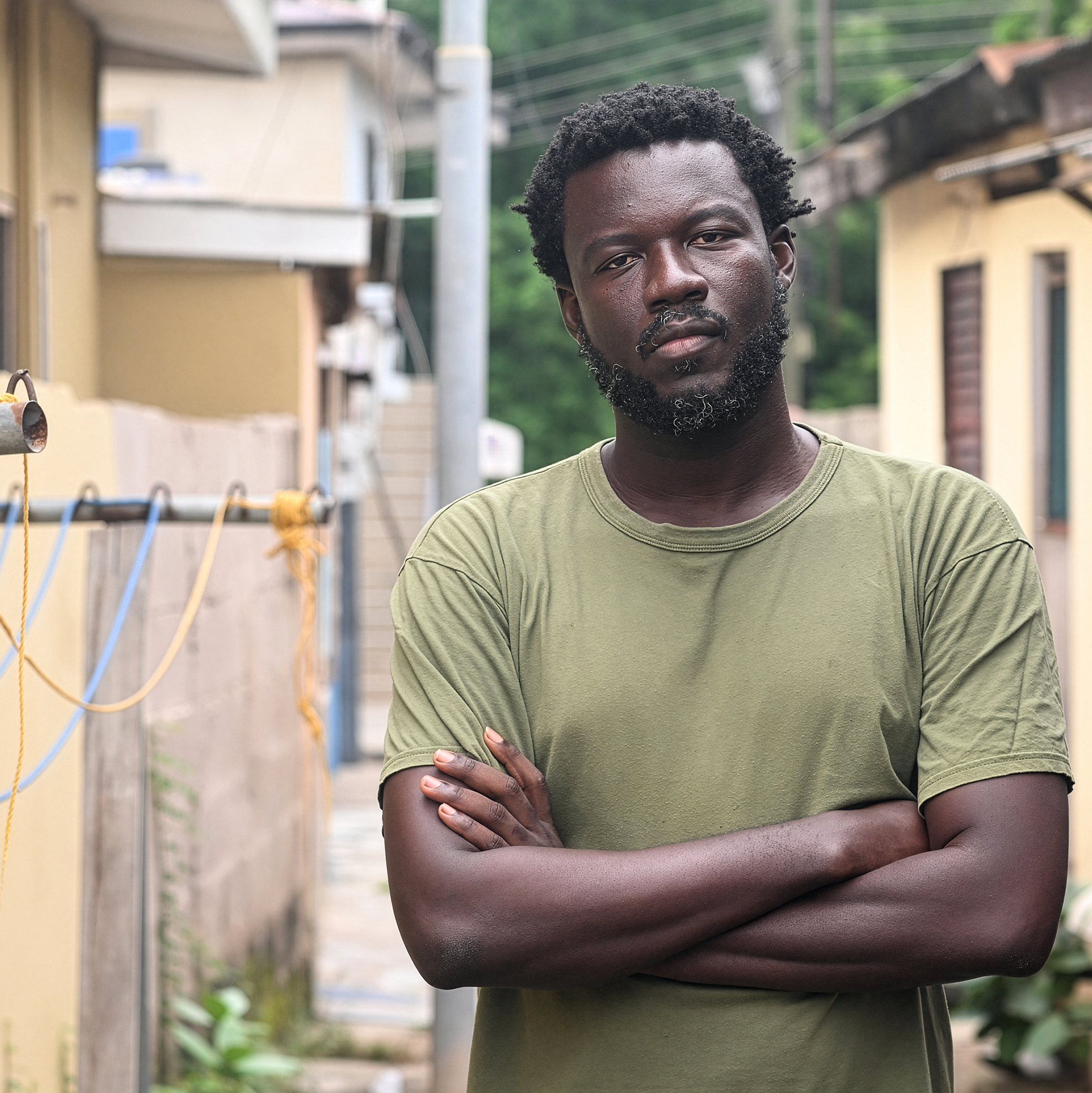
In my opinion, Nigerian underground artists are tapping into this same lineage and reinterpreting it. One particular emerging artist, Wave$tar, embodies this energy. Drawing from global Hip Hop traditions while remaining grounded in his own sound and lived experiences, Wave$tar’s work feels raw, reflecting a new generation of independent artists pushing for self-affirmation and actualization through their music. With his latest single, “Prada Bby,” Wave$tar slips between English and Pidgin, allowing his voice to drift between melody and rap on a spacious, vapor-trap type beat. Most notably, his music reminds me of Eem Triplin or Hardrock, however, his style is his own.
To me personally, “Prada Bby” sounds authentic. When Wave$tar says, “I’m the coolest kid in Africa,” I believe him. His discography spans back to just 2024, and in just two short years, he has already amassed almost 800,000 monthly listeners and millions of streams. His music feels lived in, neither chasing Nigeria’s globally recognized sound nor pushing back against it. Rather, his music lives alongside it, insisting that another story is being told.

Leave a Reply